

Why Use Next.js for Front-End Development: 5 Key Benefits Explained
Updated 15 Apr 2026

Discover why Next.js has become the go-to choice for modern app development. Also, find out why big brands like Netflix, Airbnb, and TikTok leveraged it to develop their apps. Learn about its essential features like static site generation, serverless functioning, server-side rendering, and their role in making it the top-used framework for app development.
Next.js is a React-based meta-framework used to build fast, SEO-optimized web applications. It provides built-in support for server-side rendering (SSR), static site generation (SSG), file-based routing, and API routes — making it one of the most widely adopted front-end frameworks in production environments today. Companies like Netflix, Airbnb, TikTok, and Twitch use Next.js to power their web experiences.
It means if you run a business, then app development isn’t an option but a necessity for you.
Having an app for your brand enhances customer engagement, improves brand loyalty, and, most importantly, facilitates convenient access to your products and services. That is why the demand for good and reliable apps is significantly increasing in the global business landscape.
Why Next.js? It is the most common question business owners ask when offered to develop their business app in Next.js.
The answer is that Next.js offers a unique blend of power, flexibility, and developer friendliness that makes it a highly prominent framework among developers. The apps developed by Next.js are fast, easy to use, and maintain, and they provide a terrific user experience. This makes Next.js a suitable framework for app development.
Let us explore it in more detail and unfold why Next.js can be a great pick for your business app.
Core Next.js Features
| Feature | What it does | Primary benefit |
|---|---|---|
| Server-Side Rendering (SSR) | Generates HTML on the server per request | Fast initial load, SEO-friendly pages |
| Static Site Generation (SSG) | Pre-renders pages at build time | Near-zero server load, CDN-cacheable |
| File-Based Routing | Maps files to URL routes automatically | Faster development, less boilerplate |
| API Routes | Creates serverless backend endpoints | Full-stack development in one codebase |
| Hot Module Replacement | Live code updates without page refresh | Faster iteration cycles for developers |
| Automatic Code Splitting | Only loads JS needed for each page | Faster page load times |
| Incremental Static Regeneration (ISR) | Rebuilds static pages on a schedule | Fresh content without full rebuild |
Next.js Framework
Next.js is a powerful React framework powered by Java that has become a developer’s favorite for front-end development.
Next.js is built on React and provides features like automatic code splitting, typescript, server-side rendering, and more. These unique features and Next.js capabilities enable developers to code more swiftly and efficiently and build performance-driven apps.
In addition, Next.js shares an extensive Java community readily available to support you in different development challenges.
1. Serverless Functioning
One of the best standout features of Next.js that makes it unique is its versatility. Though it is a front-end framework, it offers a way to handle backend tasks using serverless functionality.
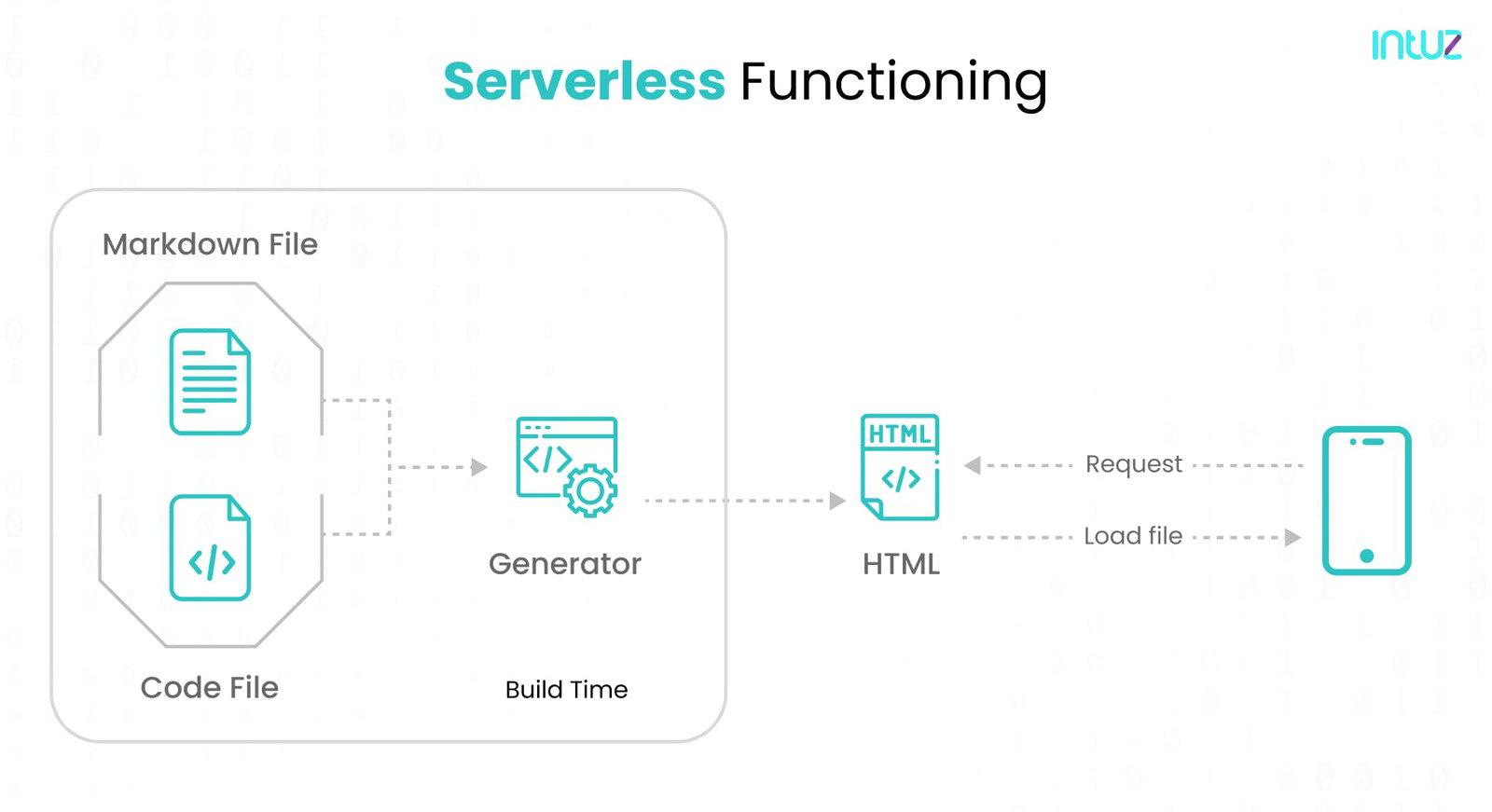
The serverless architecture simplifies server management by hosting your app on the cloud and ensuring proper resource utilization and performance.
Additionally, this feature automatically scales the app to handle uncertain traffic spikes. eCommerce businesses make the most use of this feature.
2. File-Based Routing

It is another essential feature of Next.js that enables developers to route files more easily and effectively. Next.js allows the mapping of URLs directly to the files in the project’s directory. This enables files to become routes and streamline navigation more swiftly.
3. Hot Module Replacement
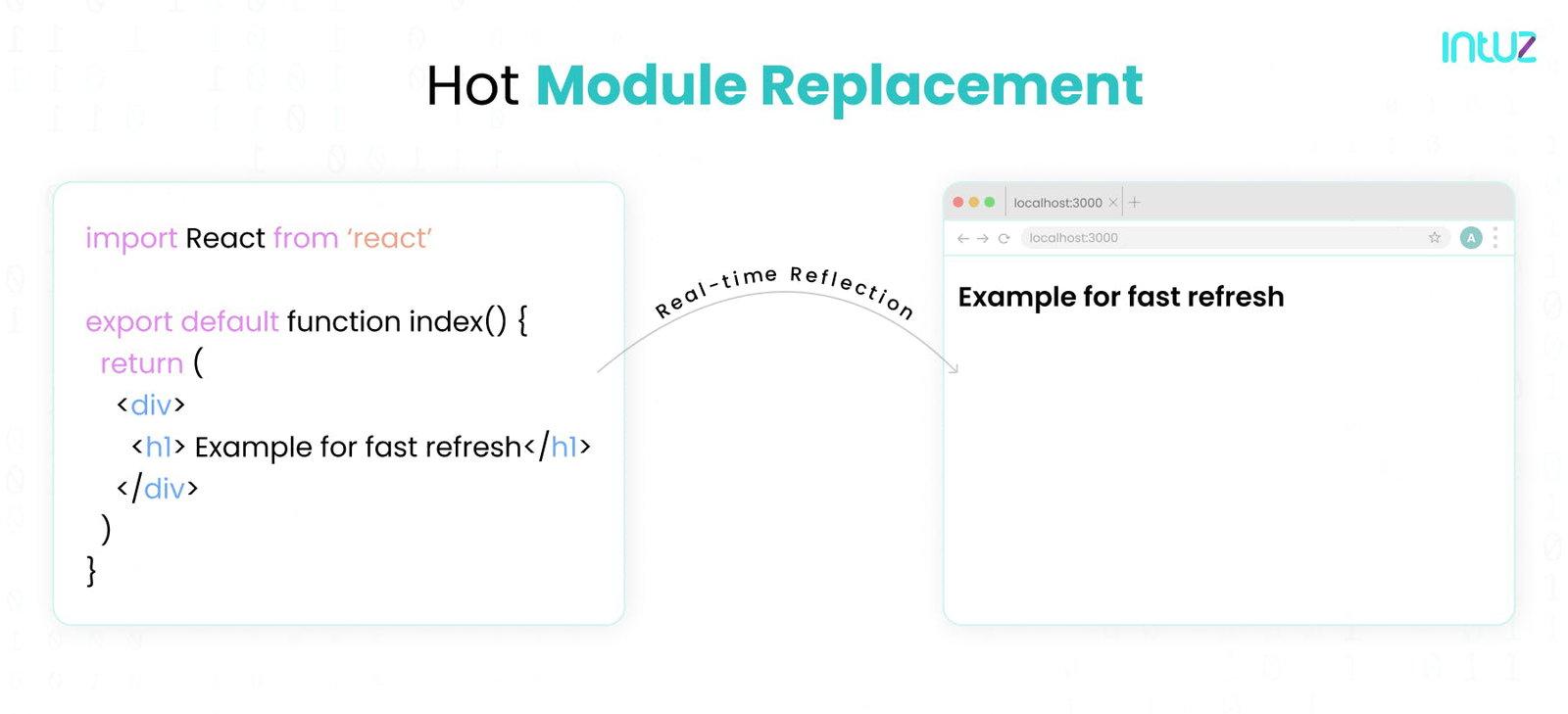
Any developer likes working on a platform that provides them with ease and control. With Next.js, this capability is delivered hot to the plate of developers. HMR allows you to change your code in real-time without requiring a full reload. It accelerates the development process and makes the process effective for the developers.
4. Seamless Error Handling
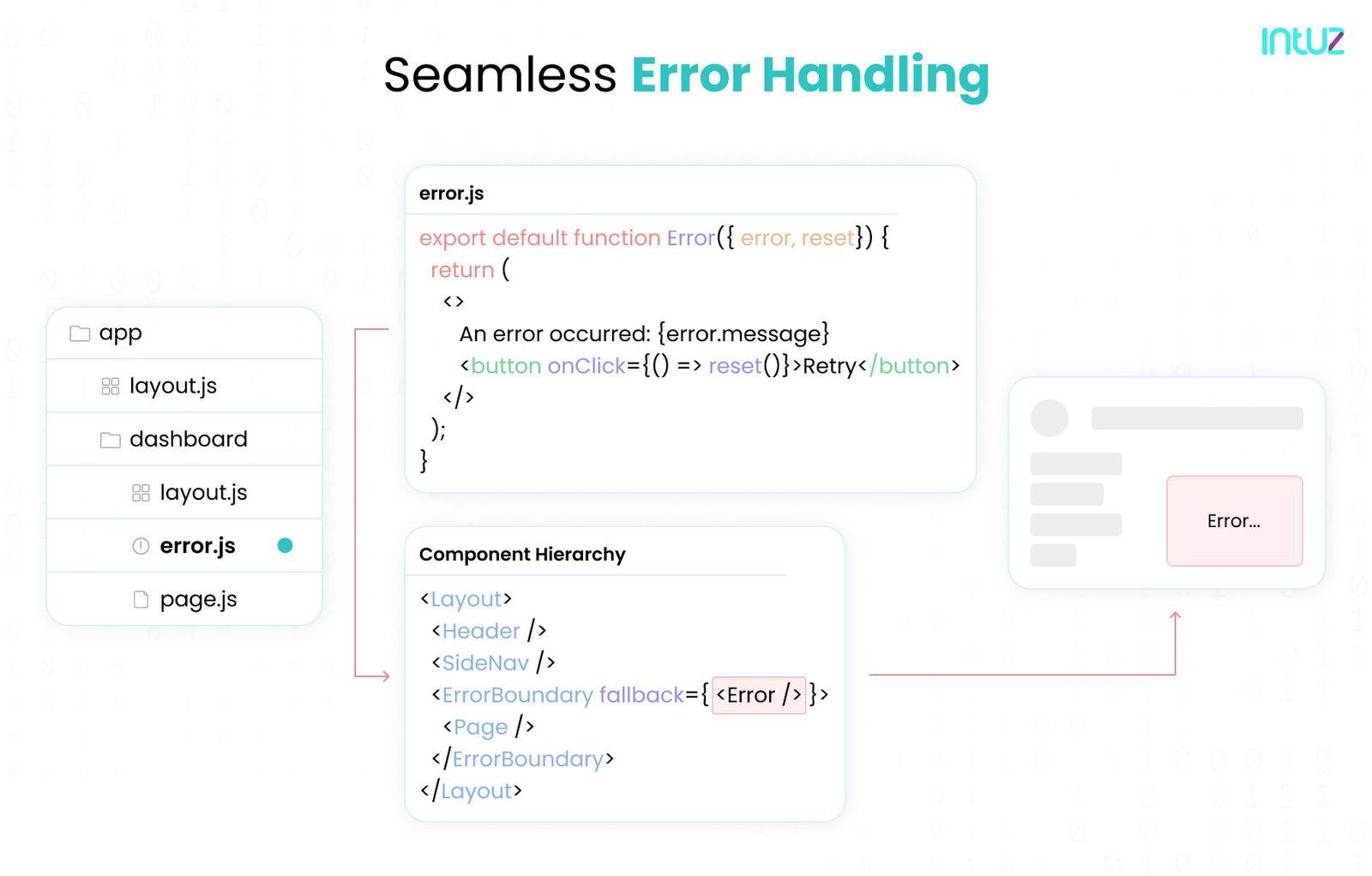
Next.js comes with built-in error handling that allows developers to create custom error pages. When a developer counters a similar error, Next.js displays the appropriate error page with a solution, saving time and effort for the developer.
These are just the tip of the iceberg. In our next section, we will cover the most significant features of Next.js that make it prevalent across the global developer community.
Let's Build Next.js Solutions Tailored for You
Why Use Next.js for Scalable and Efficient Front End Development
Modern businesses require apps that are fast, secure, and scalable. To cater to this requirement, Next.js offers the perfect suite of tools for developers.
Why Use Next.js for Scalable and Efficient Front-End Development
Next.js is the preferred React framework for production applications because it solves the three core challenges of modern web development: performance, SEO, and developer scalability — in a single, opinionated setup.
1. Server-Side Rendering (SSR)
Server-side rendering in Next.js means pages are fully generated on the server before being sent to the browser. This results in faster initial page loads, better search engine indexing, and improved performance on low-powered devices — compared to traditional client-side React apps.
The process of SSR:
The Benefit
 Fast-loading pages as opposed to traditional slow-loading
Traditional client-side rendering (CSR) renders the entire page data before displaying the contents to the user. This results in page delays and a staggered display of content, affecting the user experience.
Let's suppose you are an eCommerce brand. Now, you do not want your app to be slow and hamper the user experience. Using Next.js, you can develop an app that sends pre-rendered HTML to the browser and instantly displays your brand's products with images and videos.
2. SEO Benefits:
Next.js improves SEO by serving pre-rendered HTML to search engine crawlers, reducing JavaScript-dependency at index time. Features like automatic meta tag management, structured URL routing, and fast page loads directly contribute to higher search rankings and better crawl efficiency.
Google crawlers consistently search for quick, secure, and informative pages. As pages developed with Next.js are capped with these characteristics, search engines can better index them. It greatly improves the visibility and discoverability of the brand.
Success Stories:
Many companies have reported significant improvements in SEO rankings and their website traffic after adopting Next.js. For instance, Netflix experienced improved organic search traffic and increased user acquisition after implementing Next.js. Airbnb, too, saw a significant increase in its marketing numbers and website traffic after incorporating Next.js.
These case studies and success stories demonstrate that Next.js's SEO-friendly features certainly do make you rank higher in search engines.

3. Built-in Static Site Generation
Static site generation (SSG) in Next.js pre-renders web pages at build time and stores them as static HTML files on a CDN. When a user requests a page, the server delivers a pre-built file instantly — with no server computation required. This makes SSG-powered Next.js pages among the fastest-loading pages possible on the web.
Using this technique, static HTML files can be generated within the build process. This reduces the need for server processing when a page is requested. This approach offers advantages such as:
Reduced Server Load
As the pages are pre-rendered during the build process, less server-side processing is required upon user request. This saves server load and hosting costs and results in a cost-effective process.
Improved Processing Speed
SSG enables lightning-fast content delivery upon request since the content is already pre-rendered. This leads to reduced bounce rates and an increase in user satisfaction.
4. Enhanced Developer Experience
Developer experience is critical to any web development framework, and Next.js scores perfect marks in that regard. Its developer-friendly features deliver a seamless working experience to the developers.
Some of its most user-friendly features include:
Automatic Code Splitting
Next.js automatically splits JavaScript bundles into smaller and more workable units. This improves page load times as only the necessary code is sent to the client. Invariably, as no manual configuration is needed, this saves the developer a lot of effort and time.
Hot Reloading
As discussed above, hot module replacement lets developers see code changes in real time without requiring a full page refresh. This dramatically speeds up the development process, as developers can instantly view the effects of code modifications.
Ease of Deployment
Whether you choose serverless deployments or traditional server hosting, Next.js projects are easy to deploy. The flexibility in deploying the files empowers developers to choose the setup that best fits their project's needs.
Next.js vs. Gatsby.js: A Comparison Between Server-Side Rendering Frameworks
5. Higher Flexibility and Customization
The Next.js framework excels at providing flexibility and customization to developers. It offers many ways and methods to tailor their approach to the needed project requirements:
Custom Routing
Using Next.js, you can define your custom routes, nested routes, and dynamic route parameters. For example, an eCommerce app can build custom routing for individual product pages and different product categories.
API Routes
We mentioned in the blog before how API routes enable developers to create serverless functions for handling backend logic. This flexibility is particularly useful for handling dynamic data or integrating with external services.
Integration with External Libraries
Next.js seamlessly integrates with various libraries and technologies, like GraphQL for fetching data and Redux for state management. This enables developers to choose an ideal suite of tools for the project’s needs.
Customization of Server Behavior
One of the standout features of Next.js is that it allows customization of server behavior. This empowers developers to implement server middleware and authenticate and authorize as per project requirements. It is a great feature for enhancing the security of applications.
It is this adaptability that allows developers to create unique and efficient solutions for a wide range of projects using Next.js.
When Should You Use Next.js? (Decision Guide)
| Use case | Recommended? | Why |
|---|---|---|
| eCommerce platform | Yes | SSG/ISR for product pages, fast load times, SEO |
| SaaS dashboard | Yes | SSR for authenticated data, API routes for backend |
| Marketing / landing pages | Yes | SSG delivers near-instant load times |
| Blog / content site | Yes | ISR allows fresh content without full rebuild |
| Simple internal tool | Maybe | Next.js adds overhead; plain React may suffice |
| Native mobile app | No | Use React Native instead |
Ready to Build with Next.js? Partner with Intuz.
Intuz is a full-stack product development company with 16+ years of experience building high-performance Next.js applications for startups, enterprises, and global brands. Our Next.js development services cover everything from architecture design to deployment and post-launch support.
- Dedicated Next.js developers available for hire
- Fixed-price and engagement-based models
- Experience with eCommerce, SaaS, and enterprise apps
- 700+ projects completed across 30+ countries
Conclusion
Next.js is surely one of the most suitable choices for developing modern-world apps. Its numerous efficient and practical features make the job easier for developers and ensure optimal results for your business application. So, if you have a project in mind that can be framed in Next.js, we are just a step away.

Kamal Rupareliya
Co-Founder
Based out of USA, Kamal has 20+ years of experience in the software development industry with a strong track record in product development consulting for Fortune 500 Enterprise clients and Startups in the field of AI, IoT, Web & Mobile Apps, Cloud and more. Kamal overseas the product conceptualization, roadmap and overall strategy based on his experience in USA and Indian market.

FAQs
What is the main purpose of NextJS?
Why is Next.js getting popular?
Why use Next.js instead of React?
Why use next JS over node js?
What are the advantages of NextJS?
How much does it cost to build a Next.js app?
How long does it take to build a Next.js application?
Is Next.js good for eCommerce?
Explore Our Resources On NextJs Framework
Read out our articles on frontend development and gain a deeper insight



Trusted by


WORK WITH US
Tell us what
cant'fail
We respond within 24 hours with a clear point of view, not a sales pitch.
GET IN TOUCH
or email getstarted@intuz.comResponse within 24 hours — no junior reps
NDA on every engagement — standard, not optional
GDPR · HIPAA · DPA — compliance frameworks are standard, not custom-added
No retainers. No lock-in. Your IP, always.