





10 Custom Automations Built in 4 Weeks to Transform QuickShift’s Logistics Operations
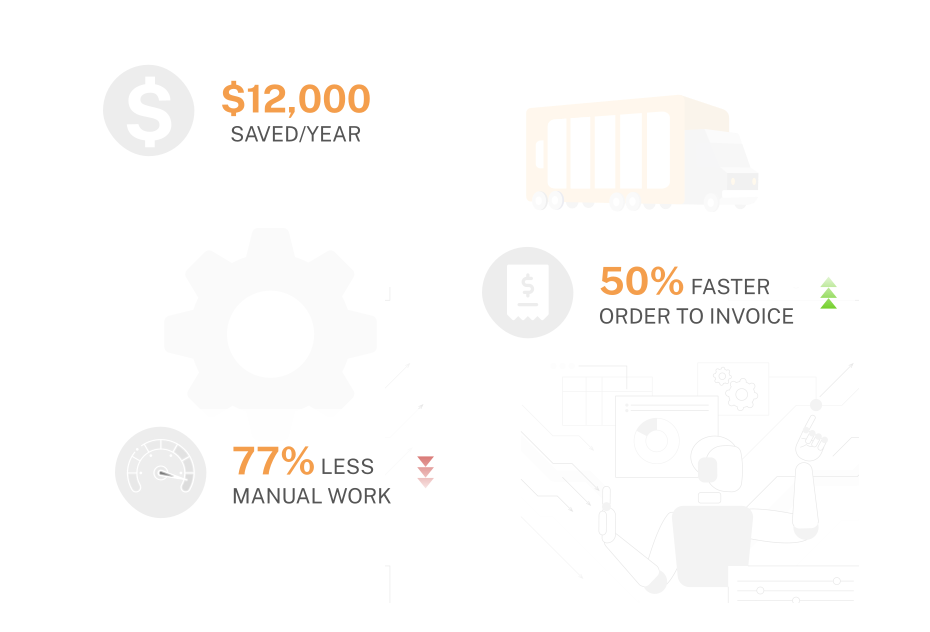
QuickShift Logistics ran 12,000+ monthly shipments across 8 cities with most of it handled manually. Intuz built 10 custom n8n automations in 4 weeks – covering order ingestion, invoicing, shipment alerts, and returns – replacing expensive tools with a self-hosted, open-source system that cut manual work by 77%.
THE CHALLENGE
The Manual Workflows and Tool Costs
That Were Holding QuickShift Back
Manual Order Processing Was Slowing Growth
The operations team was spending over 36 hours every week manually ingesting orders from Shopify – leaving little capacity for anything beyond the immediate task. Every order required human input before it could move forward, creating a bottleneck that delayed shipment processing and limited the team’s ability to scale.
No Automation for Invoice Creation
Invoices were being generated and emailed manually – a process that consumed hours each week and introduced errors at every step. Late invoice dispatch and internal finance delays were a direct result of a process that had no automation layer and depended entirely on manual effort to keep moving.
Shipment Updates Were Delayed
Without real-time tracking alerts built into the workflow, delivery updates were reaching customers late or not at all. Customer complaints rose as a result – support channels were absorbing the impact of a logistics process that had no automated communication layer between carriers and customers.
High Cost, Low Flexibility Tools
QuickShift was paying over $1,000 every month for SaaS automation tools that offered limited customisation and didn’t fit how their team worked. The cost was significant and the control was minimal – locking them into a setup that couldn’t adapt to their operational needs without additional spend.
Ready to Work With a Team That Delivers?
We plan, design, and build products that work – on time and to your requirements.
WHAT WE BUILT
10 Custom n8n Automations Built Across
Orders, Invoicing, Logistics, and Reporting
Automated Order Ingestion
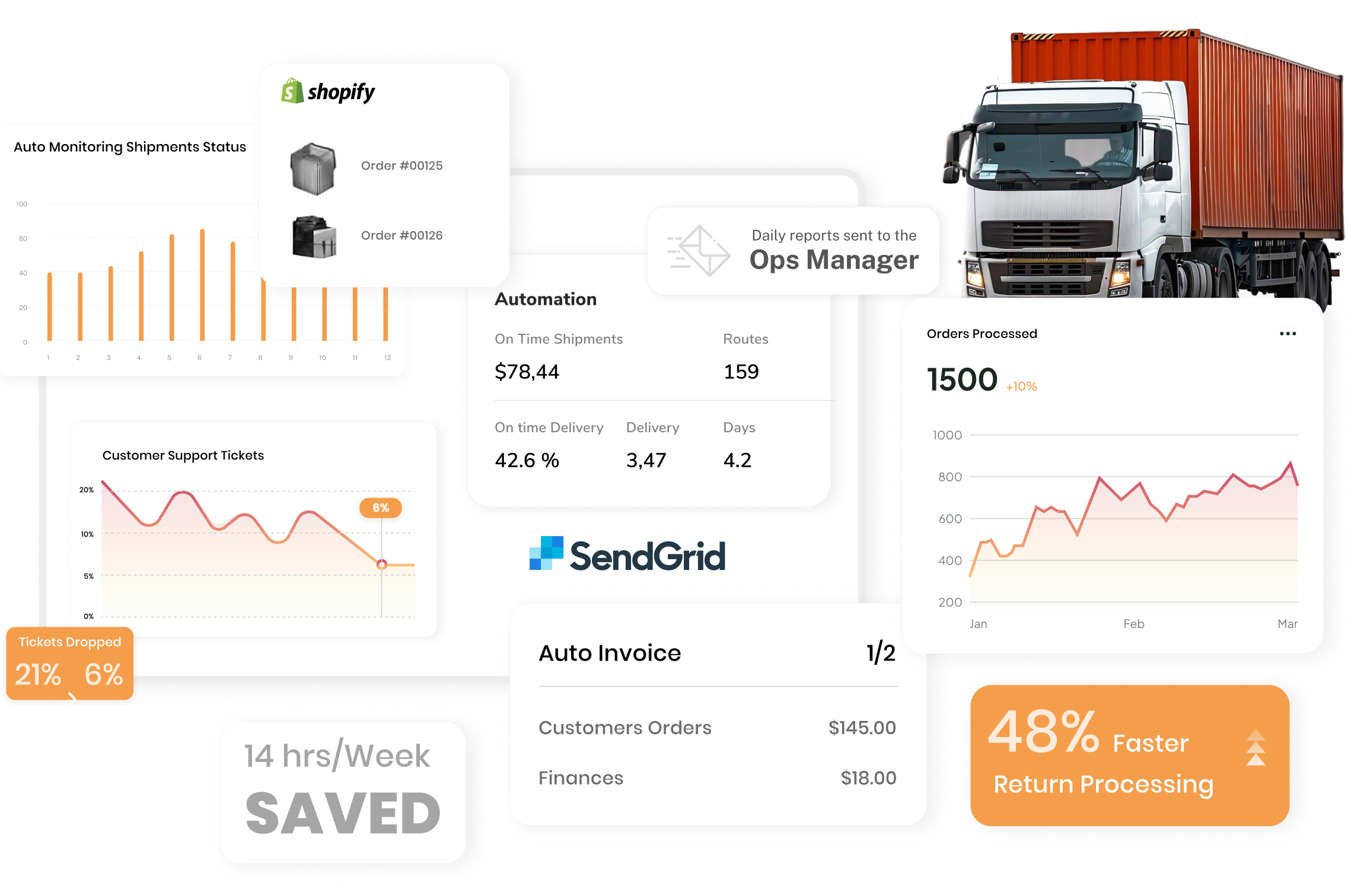
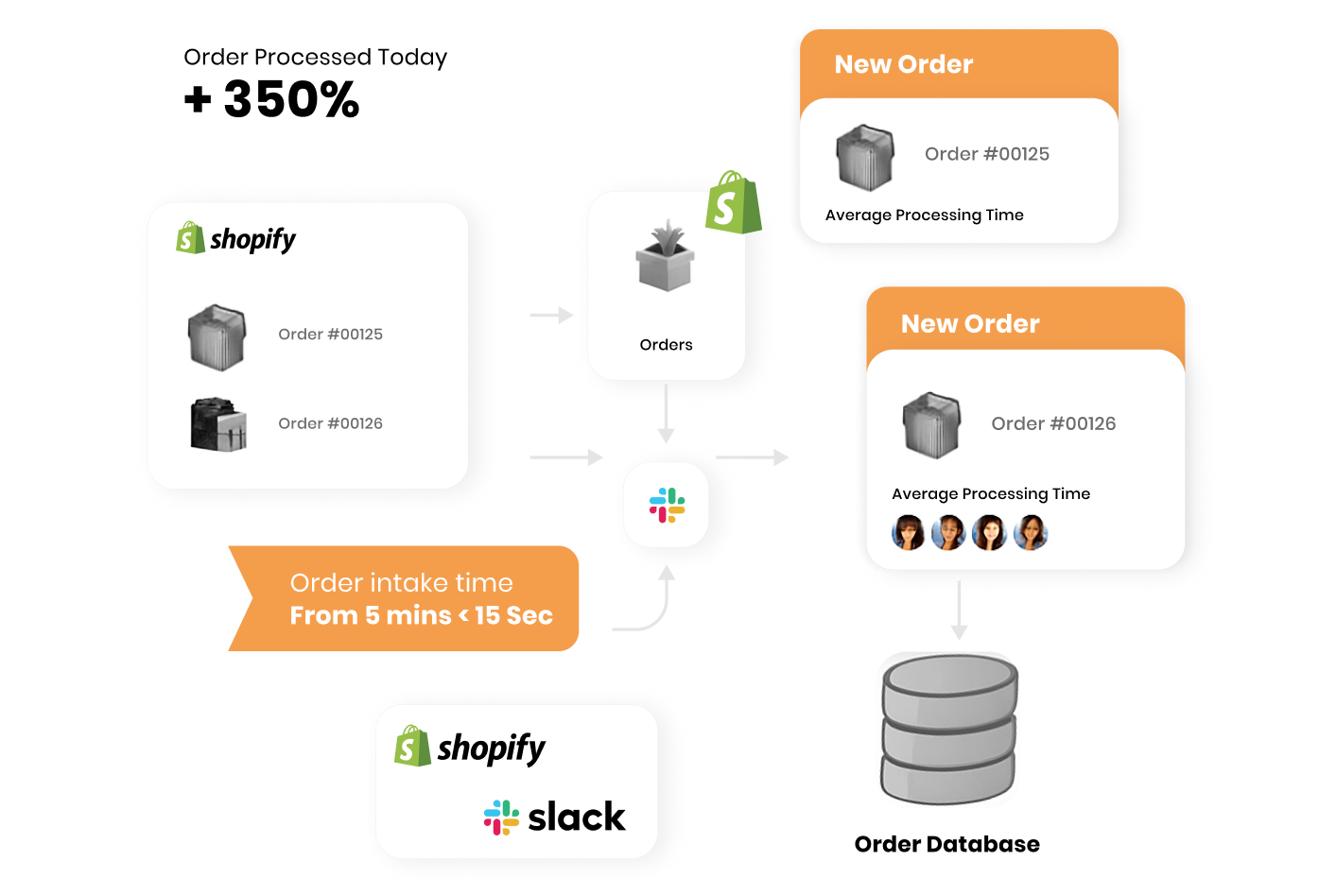
Orders from Shopify are captured automatically via webhook and pushed directly into a MySQL database – no manual input required at any point in the flow. The team receives an instant Slack alert for every new order, cutting order intake time from 5 minutes per order down to 15 seconds and freeing the operations team from a task that was consuming 36 hours a week.
Auto-Invoice Generation
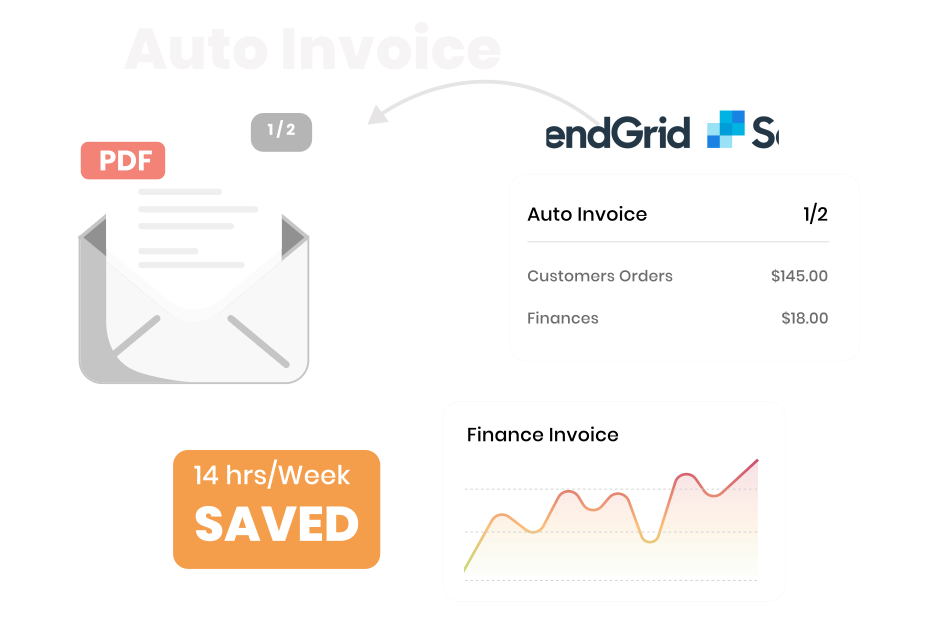
Using n8n’s HTML-PDF node, invoices are generated automatically and dispatched via SendGrid to both the customer and the finance team the moment an order is confirmed. This eliminated manual PDF creation entirely, saving up to 14 hours every week and removing the errors and delays that came with a manual finance process.
Real-Time Shipment Alerts
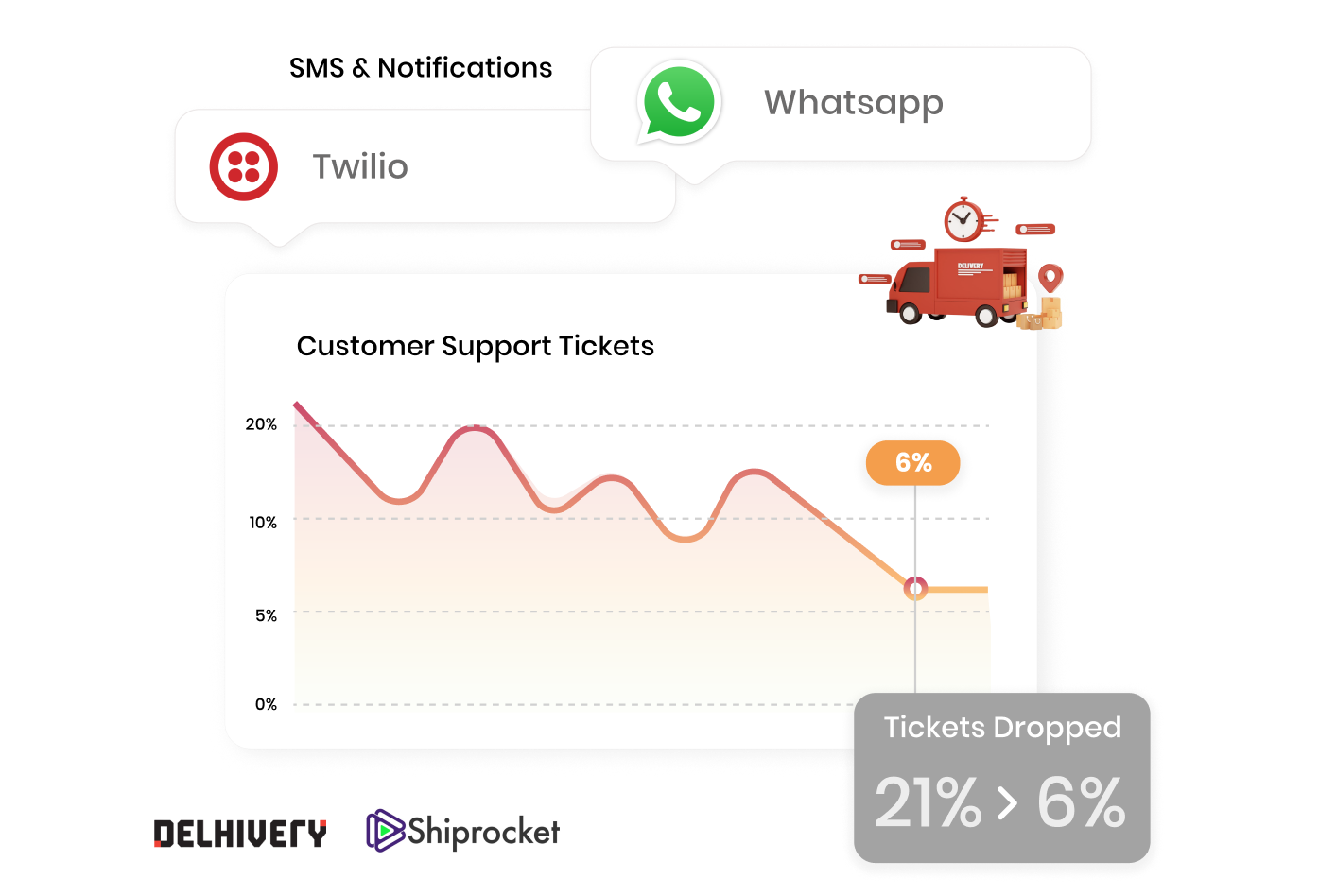
Carrier APIs from Delhivery and Shiprocket are integrated with Twilio to send SMS and WhatsApp notifications as shipments move through the delivery process. Customer support tickets dropped from 21% to 6% as a direct result of customers receiving timely, accurate updates without any manual follow-up from the team.
Return Request Automation
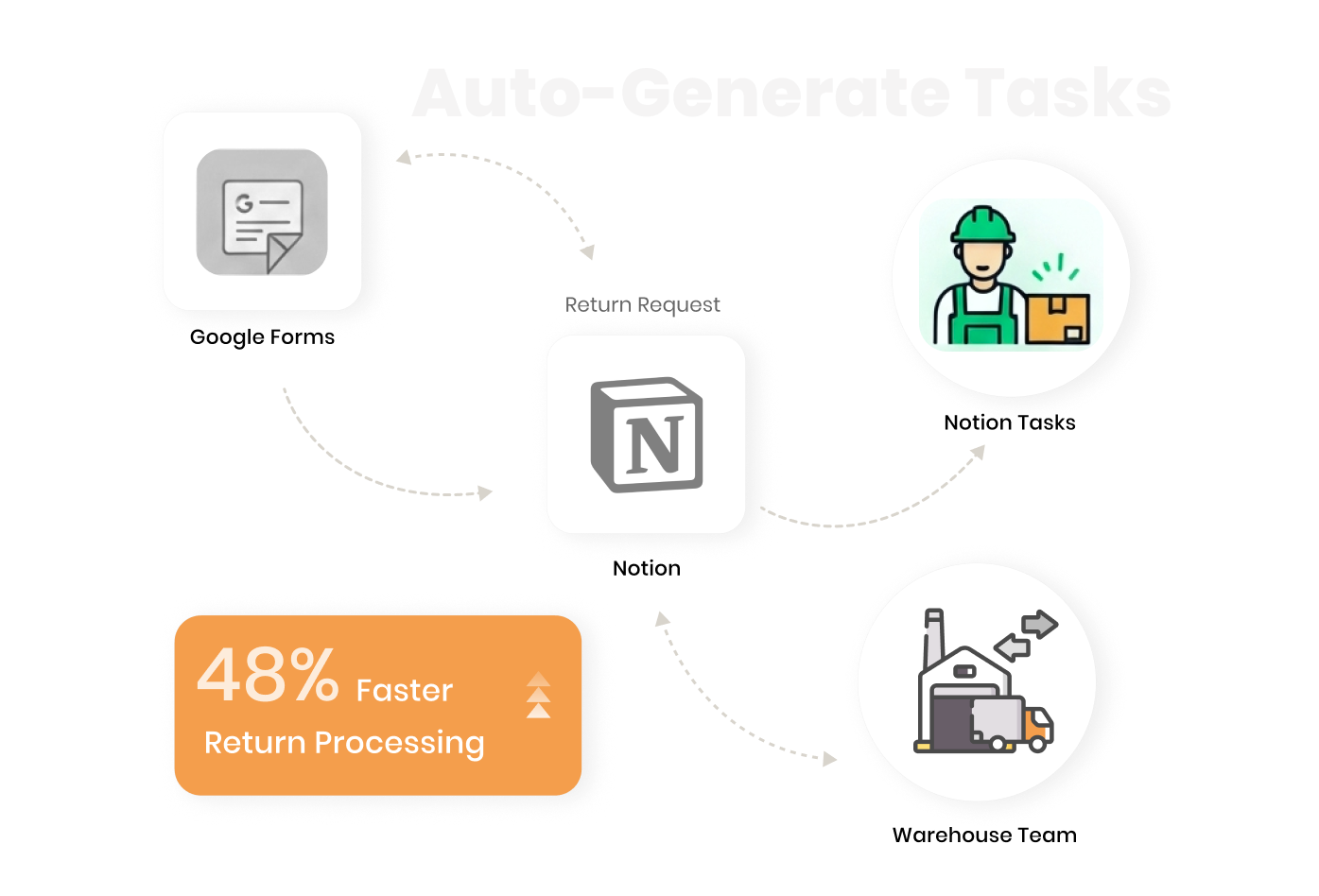
Return requests submitted through a Google Form automatically trigger task creation in Notion and notify the warehouse team – no manual handoff needed at any stage. The return processing cycle was reduced by 48%, giving the warehouse team structured, actionable tasks the moment a return request comes in.
Reporting Automation
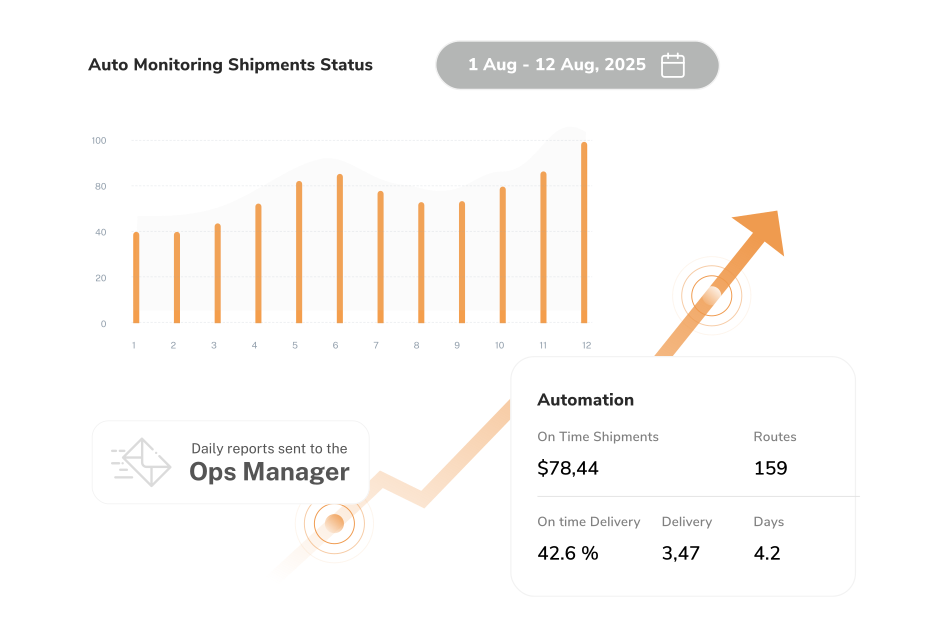
Daily shipment status reports are compiled automatically and emailed directly to the operations manager – replacing two manual steps that previously required someone to gather and send the data. The ops team now has consistent, timely reporting without any manual effort involved in producing it.
n8n Workflow Design and Integration
The entire automation layer was designed and built in n8n – mapping each manual workflow to a custom automation that connected the right tools at the right points. 10 custom workflows were built and deployed covering every major operational process QuickShift needed to automate.
Shopify Webhook Integration
A webhook-based integration was built between Shopify and the automation layer, ensuring every new order triggers the downstream workflow immediately. Order data flows into the database and the team is notified via Slack without any manual step in between.
Self-Hosted Open-Source Infrastructure
The entire automation system runs on a self-hosted n8n server – eliminating the $1,000+/month SaaS licensing cost QuickShift was carrying. Full ownership and control sits with the client, with the flexibility to extend and adapt workflows as the business grows.
Multi-Channel Notification System
Slack, Twilio SMS, and WhatsApp notifications were all built into the automation layer to keep the right people informed at the right time. Each channel serves a different part of the operation – internal team alerts via Slack and customer-facing delivery updates via Twilio and WhatsApp.
Google Forms and Notion Task Automation
Return requests captured through Google Forms are automatically converted into structured tasks in Notion and routed to the warehouse team. The entire return intake and assignment process runs without manual intervention, reducing processing time and keeping warehouse operations organised.
Deployment, Monitoring and Continuous Improvement
Beyond deployment, the automation layer was built with monitoring in place to track performance and catch issues early. Testing, validation, and optimisation were carried out across every workflow before go-live – and the system was designed to be extended as QuickShift’s operational needs evolve.
Got a Product Idea You Want to Build?
We work with companies at every stage – from early concept to full-scale delivery. Tell us where you are and we’ll take it from there.
TOOLS & TECHNOLOGIES
The Stack Behind QuickShift’s Automation System
A fully connected, self-hosted automation stack built across order management, logistics, communications, and document workflows – all running on open-source infrastructure.


