



An AI & ML Powered Dynamic Pricing Solution Built for a Ride-Sharing Company
A major ride-sharing company needed to move beyond static fare models – balancing driver availability, rider demand, and regional pricing variation in real time. Intuz built an AI-driven dynamic pricing system that processes live data across traffic, weather, demand patterns, and competitor pricing to optimise fares and improve operational efficiency across the network.

THE CHALLENGE
The Challenges Behind Building an
AI-Driven Pricing Engine for Ride-Sharing
Lack of Driver Availability During Peak Hours
High-demand periods consistently left riders without available drivers. Without real-time pricing adjustments to incentivise driver activity, service delays increased – directly impacting rider satisfaction and capping revenue potential during the periods that mattered most.
Static Pricing Model Limiting Revenue
The existing fixed pricing structure had no mechanism to respond to demand shifts. Surge periods passed without fare adjustments, leaving significant revenue on the table and giving the client no way to capitalise on high-demand windows through pricing alone.
Long Wait Times Impacting Rider Retention
A persistent mismatch between driver supply and rider demand translated directly into prolonged wait times. Without adaptive pricing to rebalance supply, riders experienced delays that affected retention and damaged the brand’s reputation for reliability.
Regional Demand Variations Making Pricing Inefficient
A single pricing strategy applied uniformly across diverse locations created imbalance across the network. Some areas faced chronic driver shortages while others had oversupply – a data-driven, location-based pricing model was the only viable solution to address this unevenness at scale.
Ready to Work With a Team That Delivers?
We plan, design, and build products that work – on time and to your requirements.
WHAT WE BUILT
An AI and ML Pricing Engine Built Across
Real-Time Data, Predictive Models,
and Personalised Fare Logic
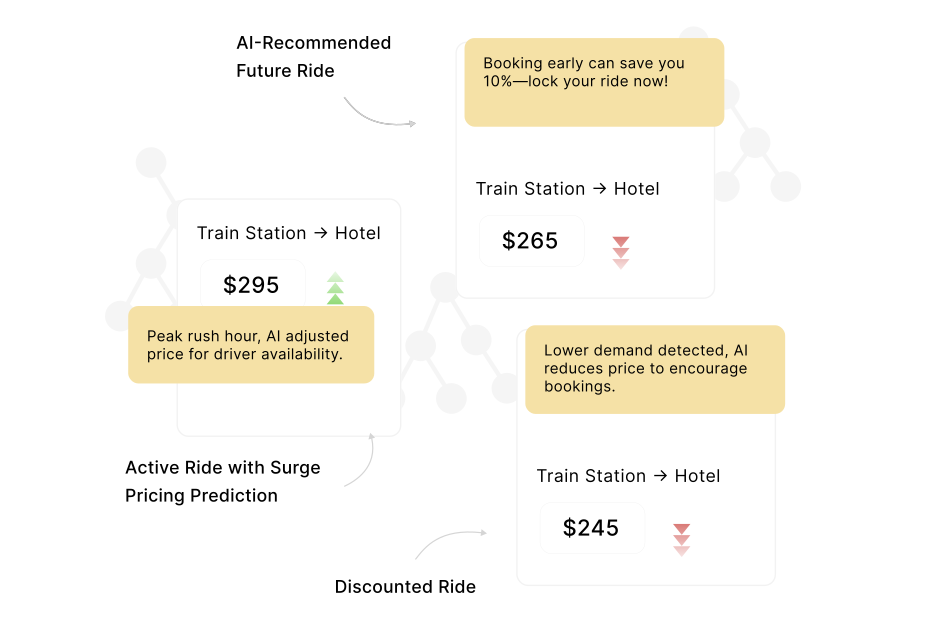
Real-Time Demand-Supply Pricing
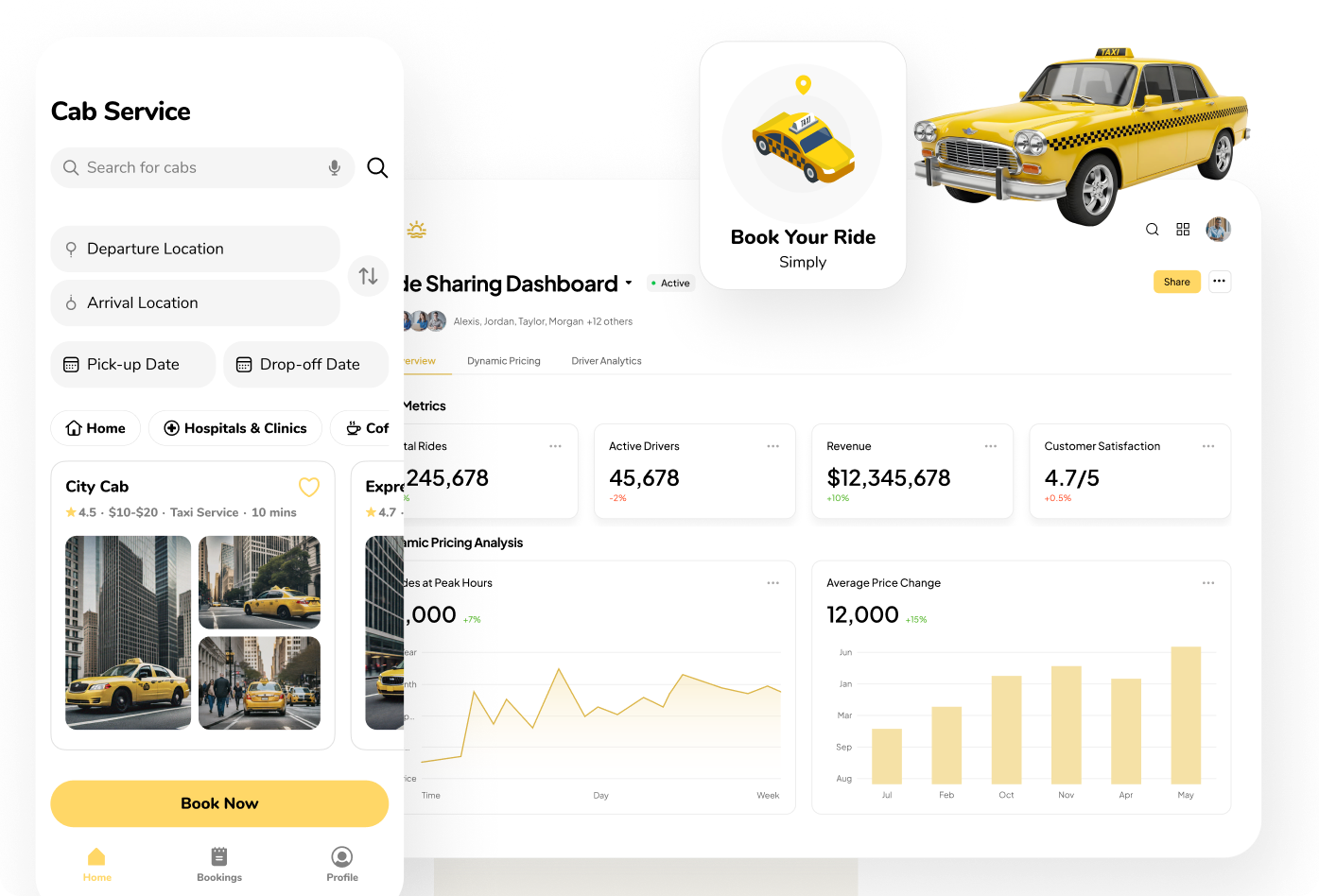
The pricing model was built to continuously track live data across ride requests, driver availability, weather conditions, and traffic – adjusting fares in real time based on the current demand-supply ratio. Every fare adjustment is driven by what is actually happening across the network at that moment, creating a more efficient ride-matching process and reducing service gaps as conditions shift.
Predictive Pricing Models
We built a system that let location owners and users list their own venues, facilities, and events directly within the app. This turned Live 4 It Locations into a two-sided platform – one side discovering, the other side listing – giving the product long-term content scalability without relying on a central admin.
Competitor and Market-Based Pricing
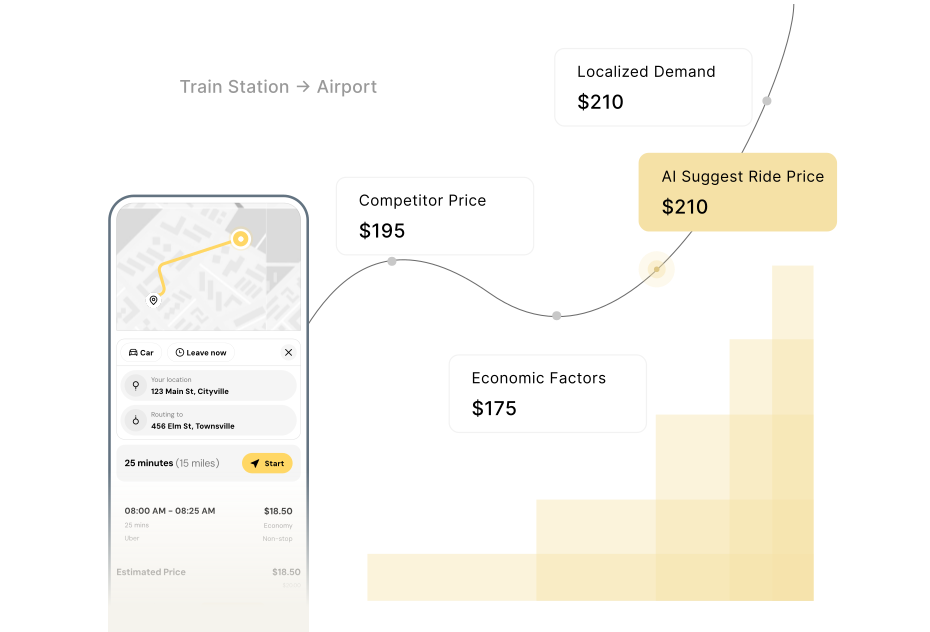
The pricing engine was built to look beyond internal demand signals. Competitor rates, external economic factors, and localised demand trends are all evaluated to inform fare adjustments – keeping the client’s pricing competitive in the market while maximising profitability across the network.
Personalised Fare Engine
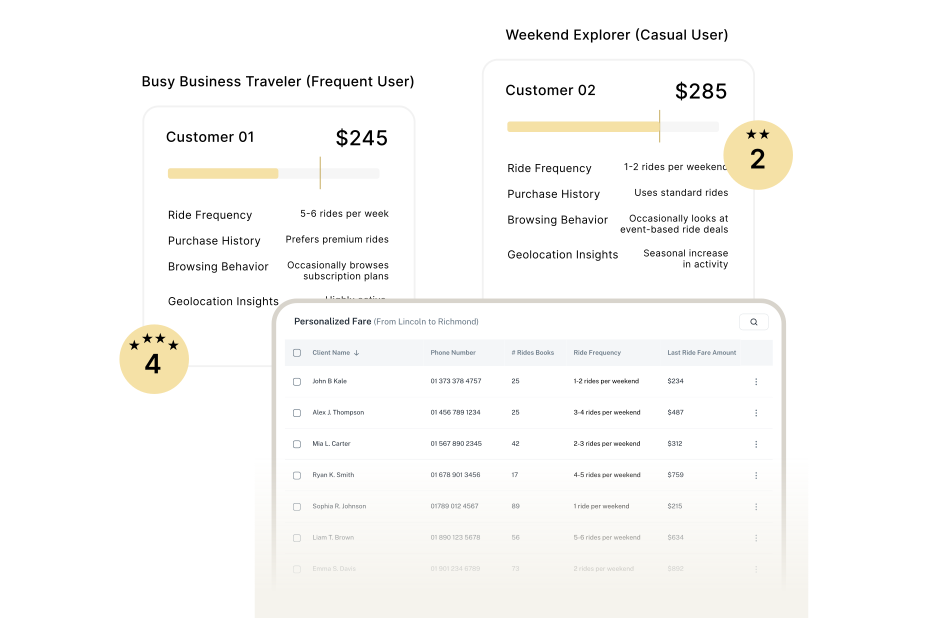
Pricing was taken a step further with a personalisation layer built on top of the core dynamic model. User behaviour, trip history, and location-based demand are analysed to tailor fare strategies for individual riders – delivering cost-effective rates for riders while positioning drivers for higher earnings during high-demand periods.
Data Collection and Preprocessing
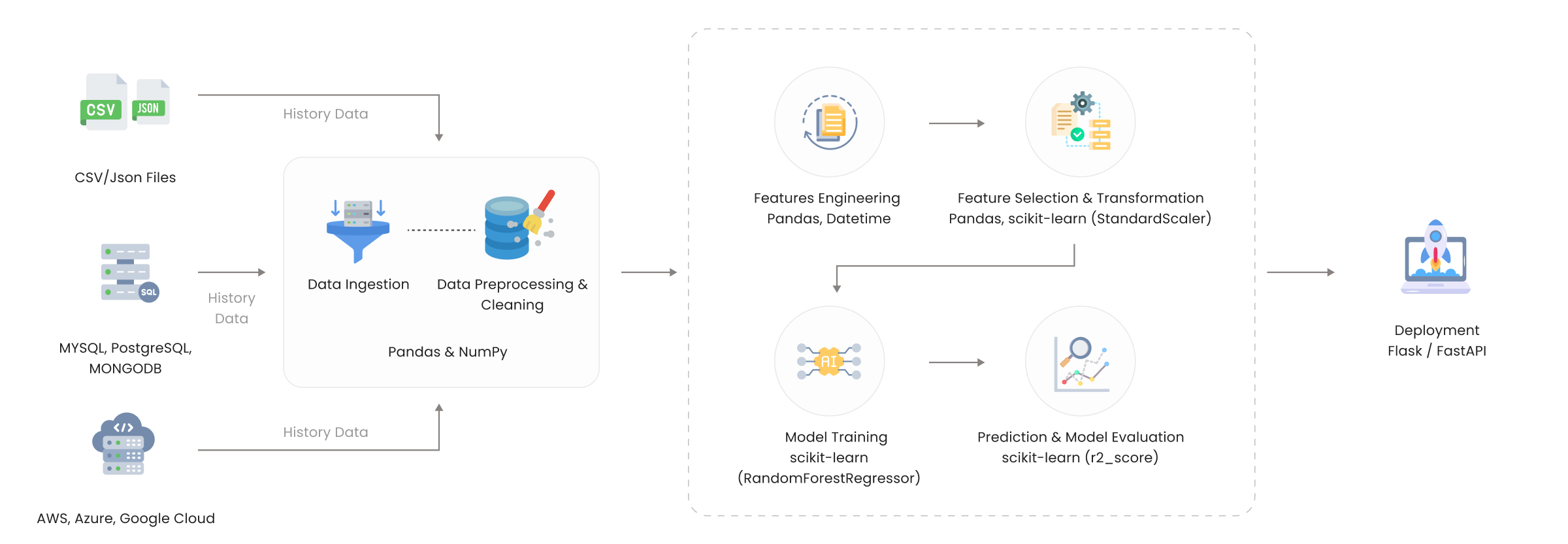
The pipeline was built to ingest historical and real-time data from multiple sources – CSV, JSON, and connected databases – before preprocessing and cleaning it using Pandas and NumPy. Clean, structured data was the foundation the entire pricing model was built on.
ML Model Development
The machine learning layer was built around XGBoost and Random Forest algorithms, selected for their ability to handle the complexity of demand prediction across varied conditions. Model training, evaluation, and refinement were carried out through a structured development pipeline before deployment.
Real-Time Processing and Scalability
The system was architected to handle real-time data processing at scale – built to sustain pricing decisions across a high volume of simultaneous requests without degradation. Scalability was a core architectural requirement, not an afterthought.
Integration with Business Systems
The pricing engine was connected to the client’s existing business systems, ensuring pricing decisions flow through to the client’s existing operations without manual intervention. The integration layer keeps pricing and operations in sync across the business.
Location-Based Pricing
A location-aware pricing layer was built to address the variation in supply and demand across different regions. Fare adjustments are informed by localised demand data, ensuring pricing reflects the real conditions in each area rather than applying a single rate across the network.
Driver and Rider Supply Balance
Balancing driver supply against shifting rider demand was a central design requirement across the entire build. The pricing model actively works to close supply-demand gaps by adjusting fares in ways that bring more drivers into high-demand areas when needed most.
Got a Product Idea You Want to Build?
We work with companies at every stage – from early concept to full-scale delivery. Tell us where you are and we’ll take it from there.
TOOLS & TECHNOLOGIES
The Stack Behind SwiftRyde
A data and ML-focused stack built to handle real-time pricing decisions, large-scale data
processing, and intelligent demand forecasting across a live ride-sharing network.


