
A Generative AI and RAG Solution Built to Accelerate Pharma Research and Drug Discovery
A leading pharmaceutical company needed a way to cut through the volume of research papers, clinical studies, and scattered medical data slowing down their R&D teams. DrugVista AI was built using Generative AI and a RAG pipeline – turning complex medical literature into precise, actionable insights and giving researchers the ability to query vast datasets in real time.
THE CHALLENGE
The Data, Scale, and Complexity
Problems That Manual Research
Could Not Solve
Information Overload in Drug Research
Pharma R&D teams deal with millions of new research papers every year. Manually identifying what is relevant to active drug development from that volume was not something the client’s teams could keep up with at the pace the work demanded.
Manual Reviews Draining Resources
Going through dense clinical trials and scientific papers took weeks of researcher time per project. The time spent on repetitive literature review slowed discovery timelines and pulled skilled people away from work that actually needed their expertise.
Scattered Medical Data Across Sources
Key findings were spread across journals, databases, and archives with no single place to access them. Researchers had no reliable way to find what they needed across the full body of available literature without spending significant time looking.
Complex Medical Jargon Blocking Action
Dense technical language in research papers created a consistent gap between findings and what development and commercial teams could actually do with them. Turning scientific output into steps teams could act on required interpretation effort that added time and friction to the process.
No Real-Time Research Query Capability
Getting answers to specific research questions meant days of back-and-forth with manual analysts. The R&D team had no way to query large research libraries directly and get accurate answers without waiting.
Disconnected Research and Business Decision-Making
Scientific findings sat separately from regulatory requirements and market context. Connecting drug safety research, compliance requirements, and market implications into one view required significant manual cross-referencing that the team did not have capacity for.
Ready to Work With a Team That Delivers?
We plan, design, and build products that work – on time and to your requirements.
WHAT WE BUILT
A RAG-Powered Generative AI System
Built to Process, Query, and Surface
Pharma Research at Scale
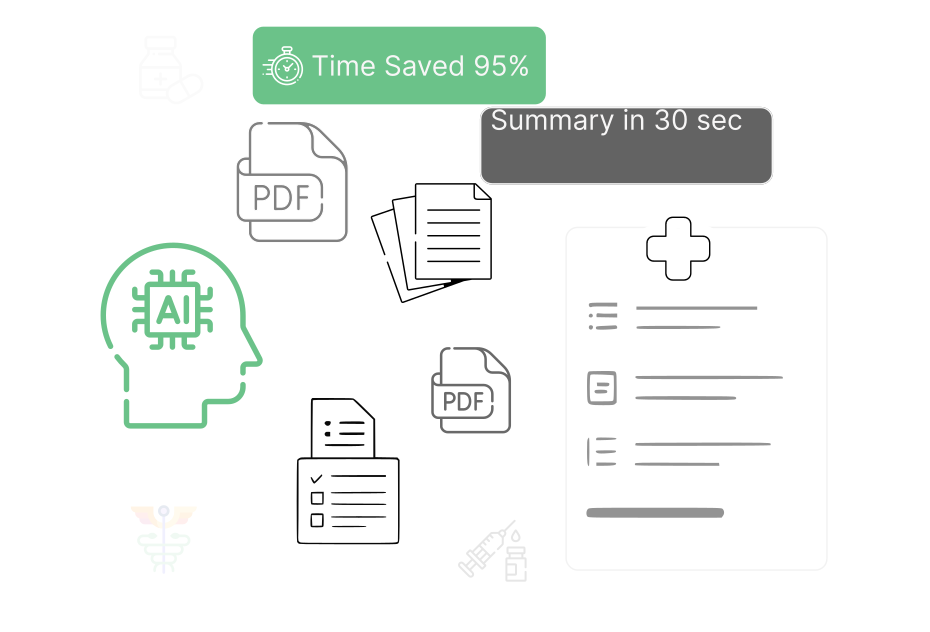
Automated Research Summaries
The system scans medical journals and clinical studies, pulls out key findings, and turns dense research content into clear, structured summaries. It handles PDF, TXT, and Word files – processing what previously took weeks of manual reading into output researchers can use straight away.
Precise Question Answering with RAG
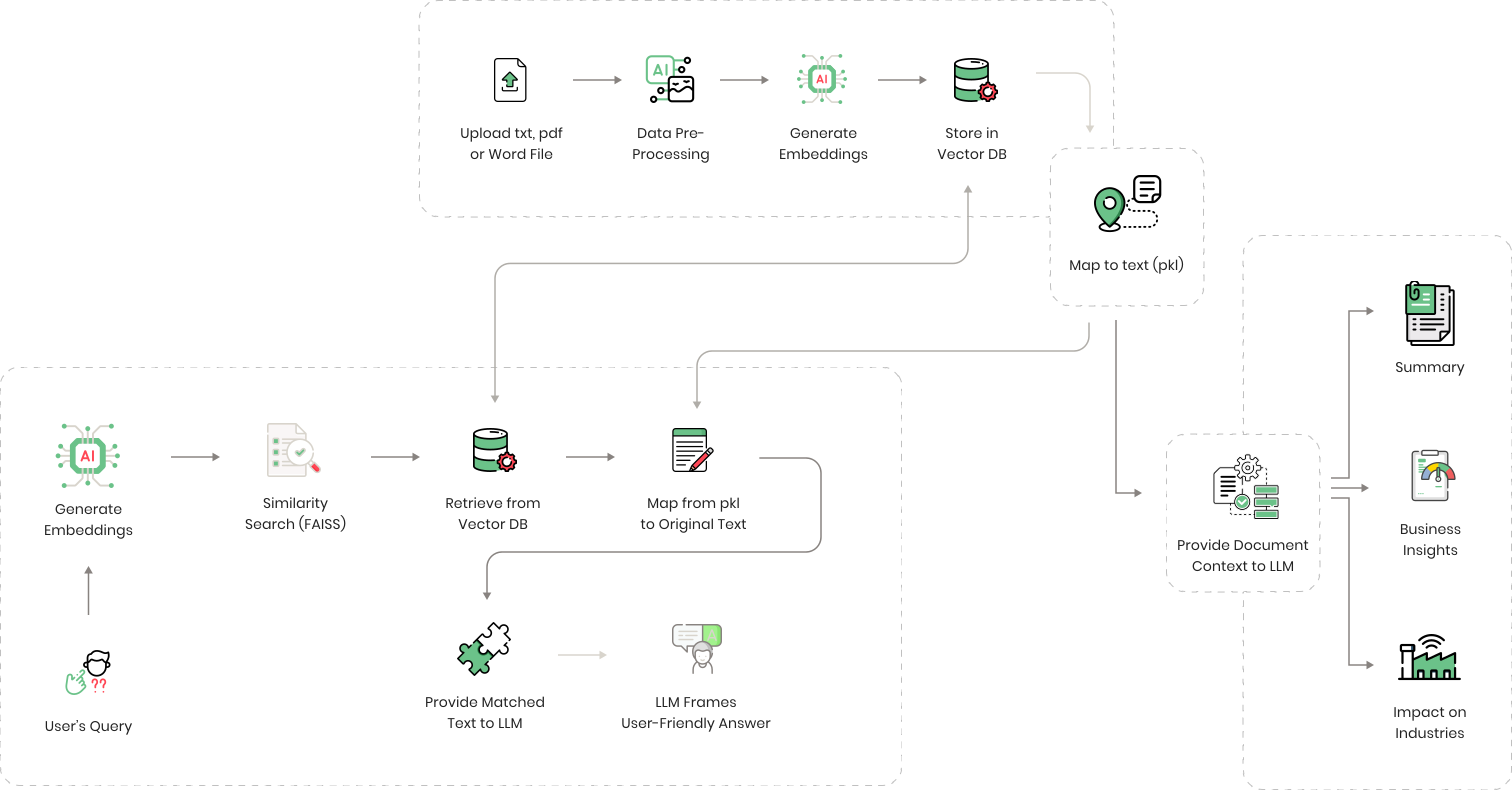
Researchers can ask specific, domain-level questions and get accurate, sourced answers back immediately. The RAG pipeline generates embeddings from the query, runs similarity search via FAISS, retrieves the most relevant document sections, and the LLM frames a precise answer mapped directly to the source material.
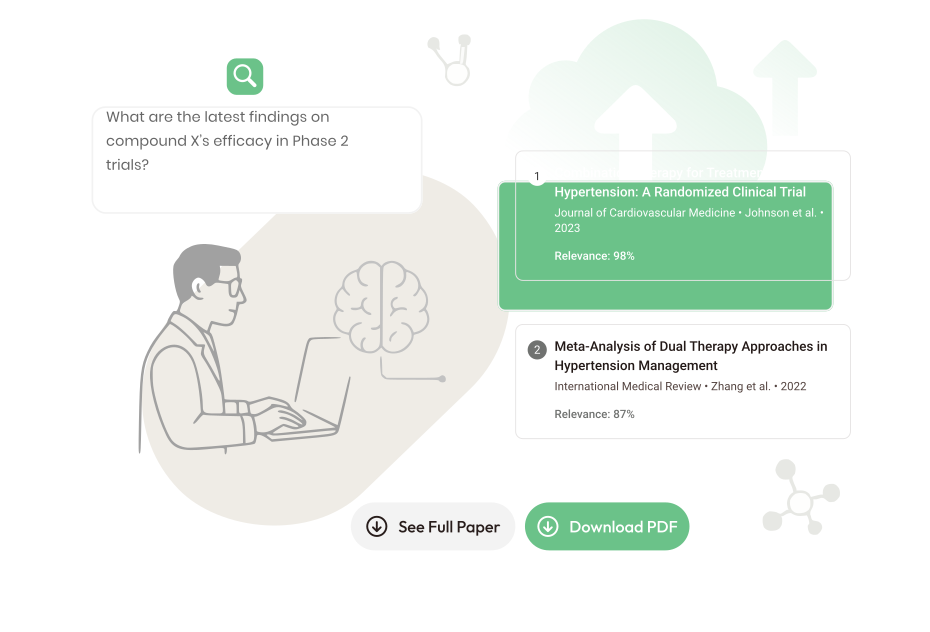
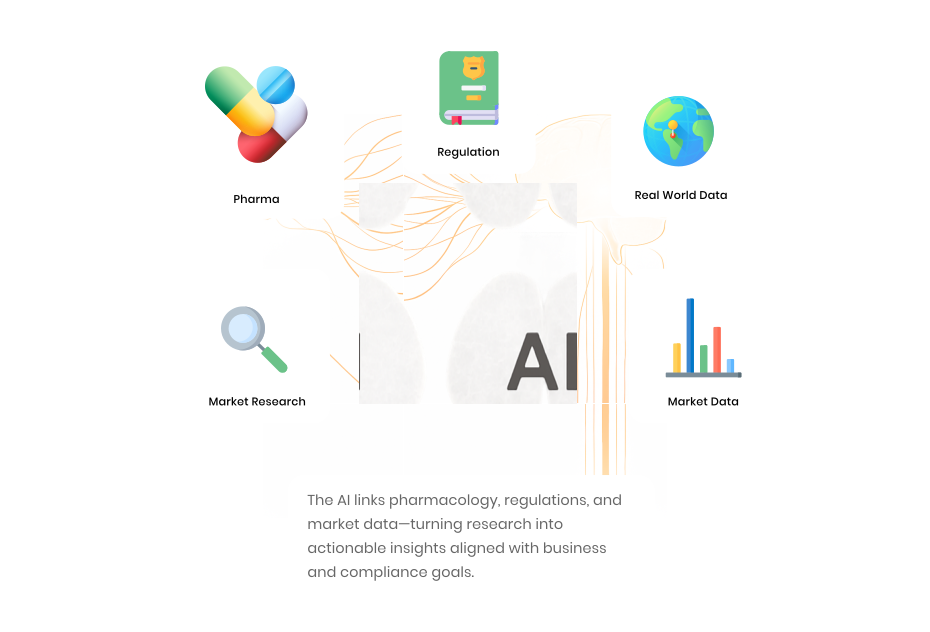
Cross-Disciplinary AI Insights
The system goes beyond reading medical text in isolation. It connects findings across pharmacology, regulatory guidelines, and market data – giving the client a joined-up view of how research relates to compliance requirements and business context at the same time.
Business Impact and Market Intelligence
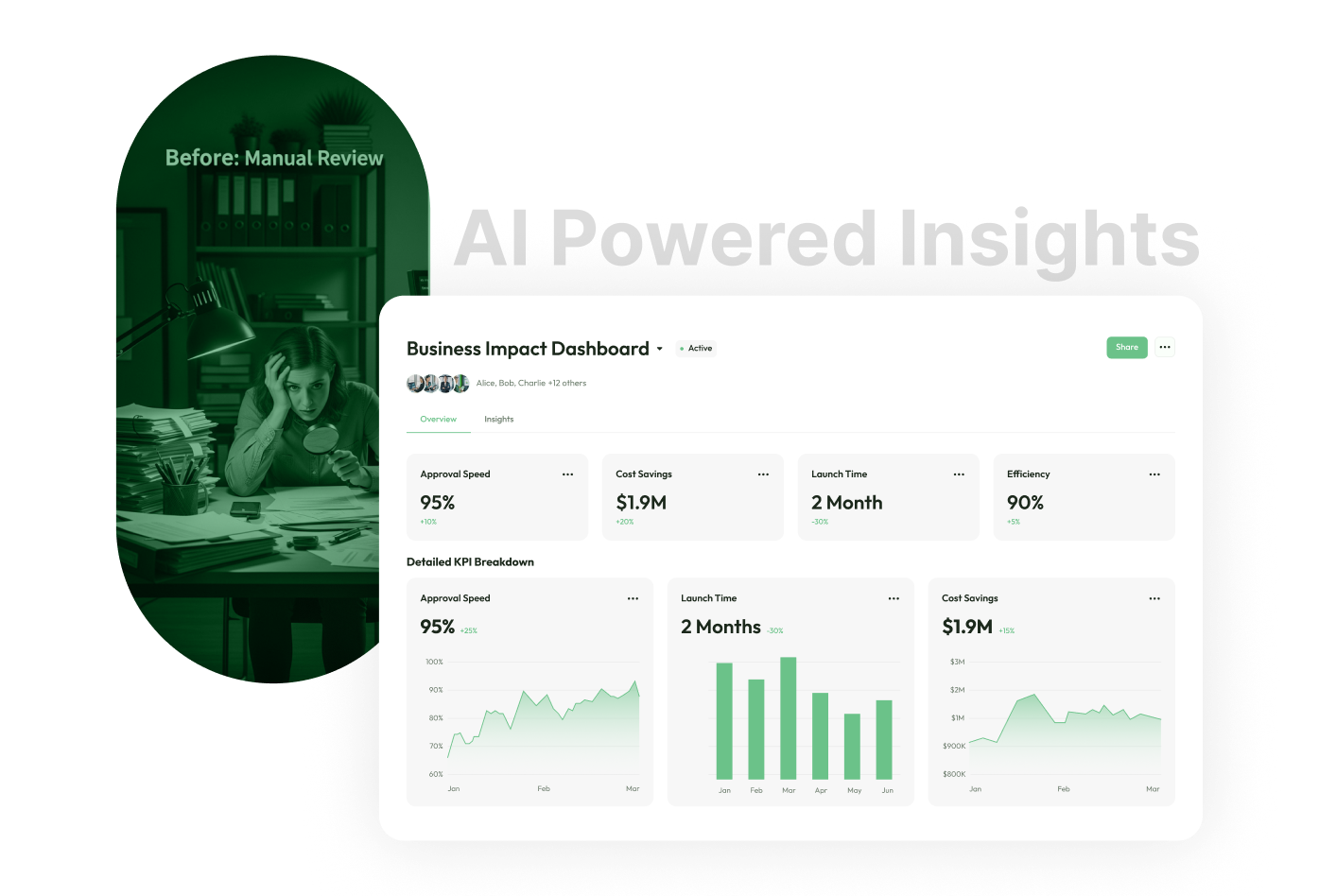
The solution was built to put research findings into a business context. When a paper identifies a promising compound, the system surfaces market implications, competitor trial activity, and next-step recommendations alongside the scientific findings – connecting discovery directly to decision-making.
Continuous Knowledge Updates
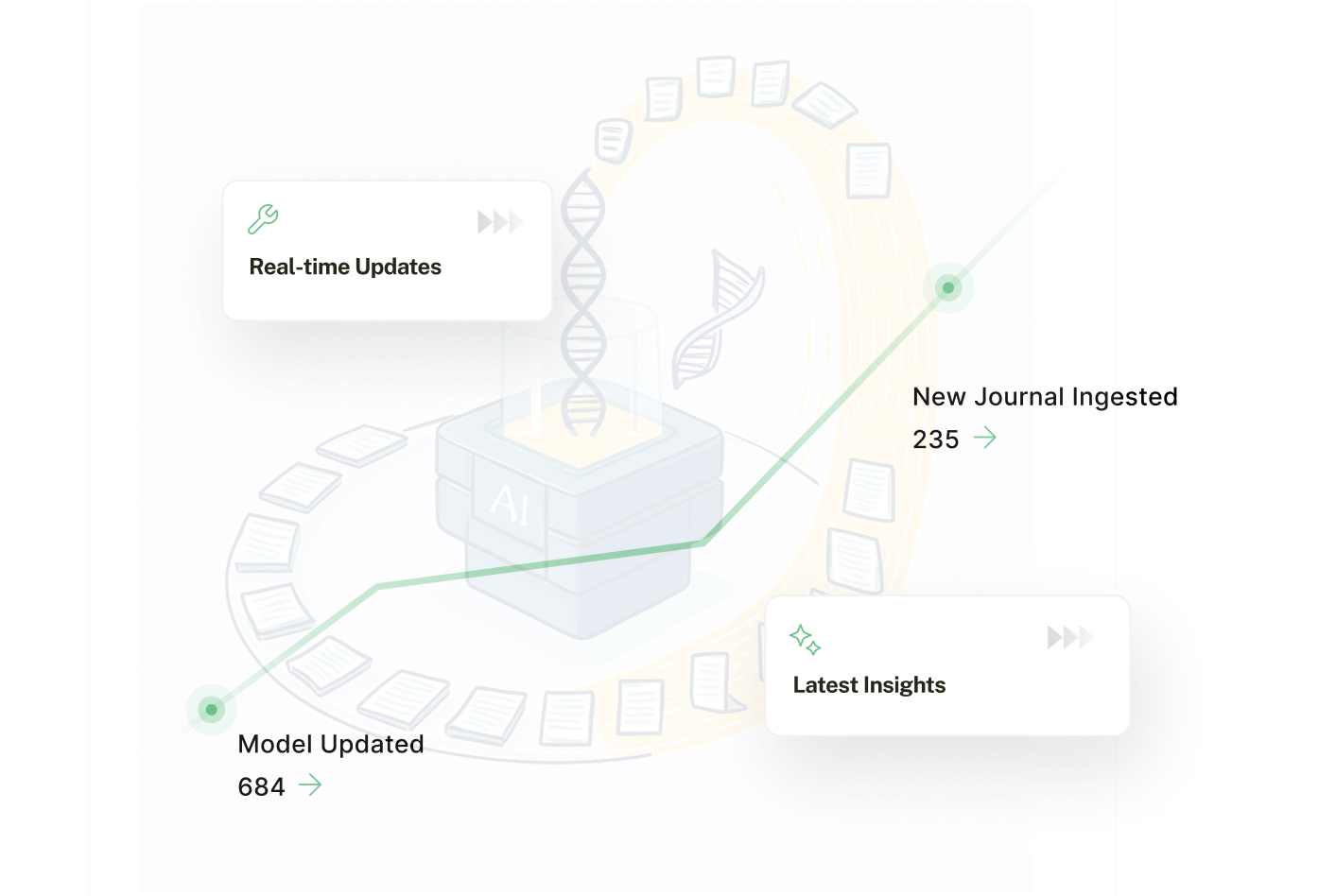
As new journals, trial data, or white papers are added to the system, the AI updates to keep insights current – so the R&D and leadership teams are always working from the latest available research rather than a fixed point-in-time snapshot.
RAG Pipeline Architecture
The system is built on a Retrieval-Augmented Generation pipeline that connects document ingestion, embedding generation, vector retrieval, and LLM response into a single flow. Every query runs through this pipeline end to end, from the question a researcher asks to the sourced answer they receive.
Vector Database and Embeddings
Documents are processed into embeddings and stored in a vector database that powers the retrieval layer. This lets the system find the most relevant content for each query based on meaning rather than keyword matching alone.
FAISS Similarity Search
FAISS handles similarity search across the vector database, matching each query against stored embeddings to identify the most relevant document sections. Retrieval is fast and accurate regardless of how large the research library grows.
Multi-Format Document Processing
The ingestion pipeline handles PDF, TXT, and Word files. fitz and DocX manage document extraction at the processing layer, feeding clean text into the embedding and retrieval pipeline.
Real-Time Query Processing
Research queries return accurate, sourced answers in real time across large document libraries. The system was built to handle ad-hoc questions from R&D teams immediately, without analyst involvement or manual search.
LLM Response Generation
Google Gemini sits at the response layer, taking retrieved document content and framing it into clear, accurate answers that are directly relevant to the specific question the researcher asked.
Got a Product Idea You Want to Build?
We work with companies at every stage – from early concept to full-scale delivery. Tell us where you are and we’ll take it from there.
TOOLS & TECHNOLOGIES
The Stack Behind DrugVista AI
A focused AI and document processing stack built to handle large-scale pharma research ingestion, retrieval, and generative response.


