




Smart beds have emerged as a technological solution in acknowledgment of the significant impact of sleep on our overall well-being. This blog explores the revolutionary potential of multifunctional smart beds designed to revolutionize our sleep experience. These beds aim to enhance sleep quality, promote healthier sleep habits, and have a positive influence on our productivity, emotions, and physical health.
In our fast-paced world, securing a good night’s sleep has become quite a challenge, and we all understand how important sleep is for our health. That’s where technology comes in with smart mattresses and beds. These multifunctional smart beds aim to revolutionize our sleep experience. They offer innovative features that not only enhance the quality of our sleep but also promote healthier sleep habits. Imagine a bed that adjusts to your body, tracks your sleep patterns, and provides personalized tips to help you sleep better.
Show
- The global smart bed market is growing fast — projected to rise from $2.99 billion (2021) to $4.44 billion by 2028, with another data point citing $5.7 billion in 2022 reaching $12.4 billion by 2031.
- Smart beds combine sensors, AI, and IoT connectivity to track sleep patterns and automatically adjust firmness, temperature, and position for personalized comfort.
- Consumer demand for health features is strong — 68% of consumers say they would pay more for a bed with health monitoring features, and 80% of couples report temperature discomfort during sleep.
- The technology spans 12 core features today — from sleep tracking, climate control, and snore detection to fall detection, health monitoring, and smart-home integration.
- The next wave of innovation is already emerging — intelligent sleep-cycle alarms, self-adjusting mattresses, emotional-support features (aromatherapy, lighting), and pain-reduction support systems.
Smart Bed Market Overview — Key Statistics
With a predicted CAGR of 5.8% over the forecast period of 2021–2028, the worldwide smart bed market is expected to increase from $2.99 billion in 2021 to $4.44 billion in 2028.
Most people have problems regulating their body temperature when they sleep, with 80% of couples reporting that one or both partners sleep at an unpleasant temperature, according to a Sleep Number poll.
Global smart bed market: $5.7 billion in 2022, projected to reach $12.4 billion by 2031 (CAGR 8.9%)
Sleep tech market grew 25% year-over-year in 2024-2025
68% of consumers say they would pay more for a bed with health monitoring features
Average smart bed price range: $2,000-$8,000 for consumer models
Key players: Sleep Number, Bryte, ReST Performance, Eight Sleep, HEKA
What Is a Multifunctional Smart Bed? – AI and IoT-Enabled Bed Technology
A multifunctional smart bed is a high-tech bed that uses sensors, artificial intelligence (AI), and internet connectivity to monitor and improve your sleep. It can track how well you sleep, adjust the bed’s firmness, temperature, and position for maximum comfort, and even integrate with other smart home devices like lights and climate control.
Multifunctional smart beds aim to enhance sleep quality, promote better health and well-being, and provide a seamless integration with smart home technologies. As IoT and AI technologies continue to advance, smart beds are likely to become more sophisticated, offering even more features and capabilities to improve overall sleep and daily life experiences.
High-Tech Features of Multifunctional Smart Beds
A multifunctional smart bed is an advanced bed that uses sensors, AI, and internet connectivity to monitor and optimize your sleep environment. It offers features like:
1. Sleep Tracking and Analysis
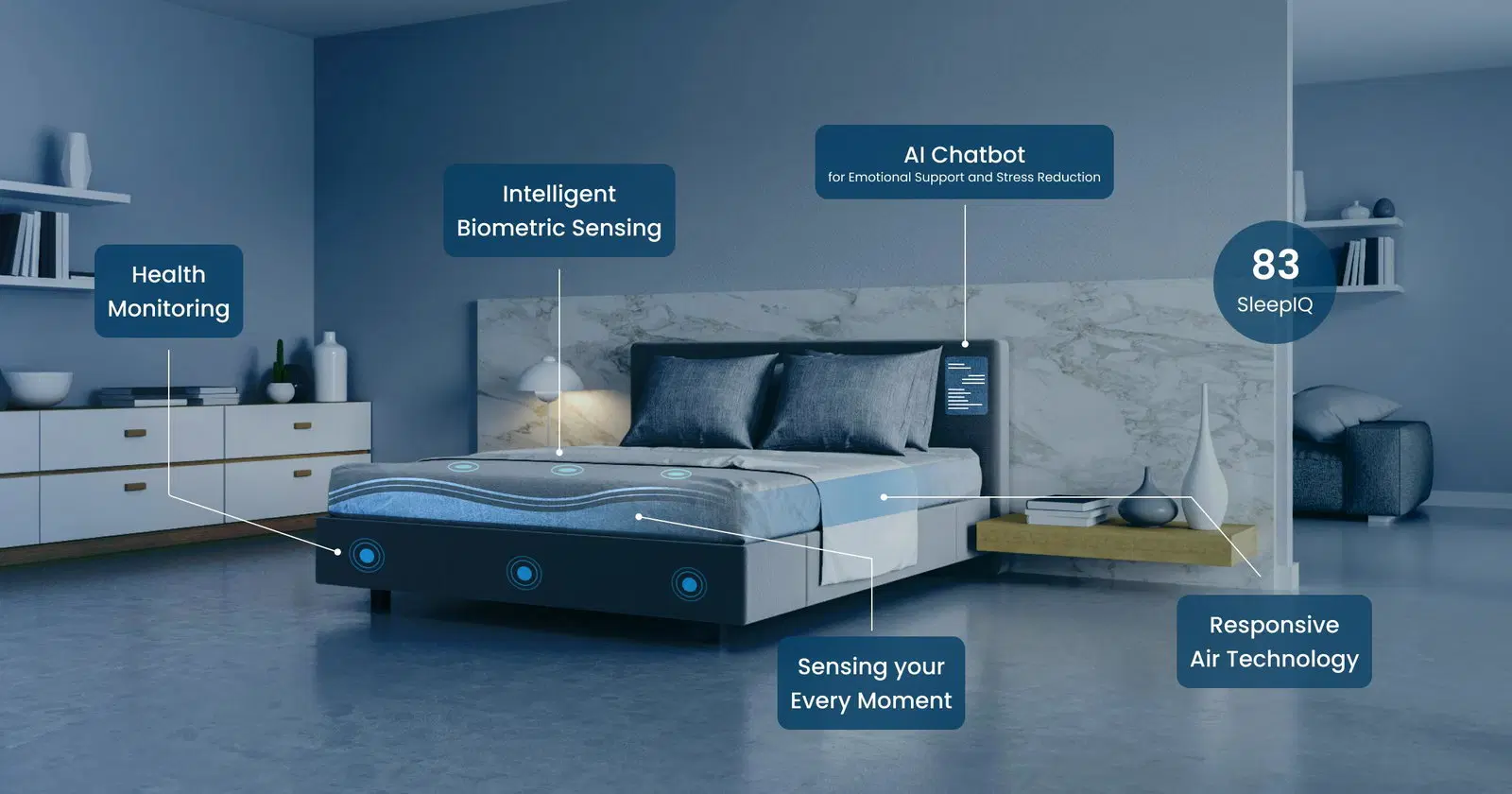
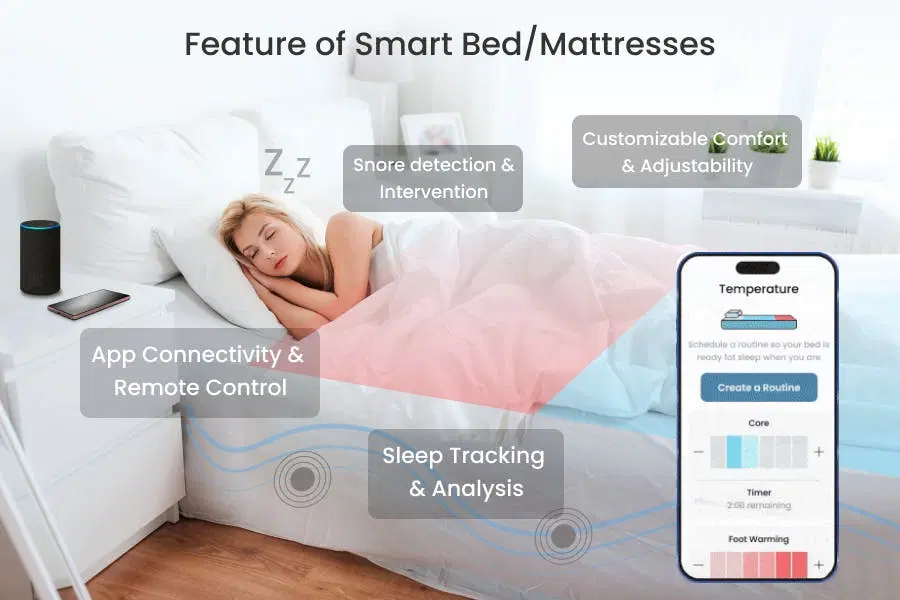
One of the standout features of smart mattresses lies in their ability to monitor your sleeping patterns. These beds have built-in advanced sensors and technology that work tirelessly to track your heart rate, movements, and sleep cycles throughout the night. Once all this valuable data is collected, it’s like having a conversation with the bed. It can then provide you with insightful feedback about how well you slept, how long you slept, and the overall quality of your sleep.
2. Customizable Comfort and Adjustability
Imagine a bed designed just for you, offering ultimate comfort and support to help you sleep better and wake up refreshed. This is the future of sleep with IoT-enabled smart beds. These beds use a variety of sensors to collect data about your sleep patterns, preferences, and body vitals.
This data is then analyzed by AI algorithms to create a personalized sleep profile for you. Based on your sleep profile, the smart bed can automatically adjust its settings to provide you with the best possible sleep experience. For example, the bed can adjust its firmness, temperature, and elevation. It can also provide features such as massage and anti-snoring therapy.
3. Climate Control for Optimal Sleep Environment
Smart beds can automatically adjust their temperature to ensure that you always have a comfortable sleeping environment. This is especially beneficial for people who tend to get hot or cold at night.
If you start to get too hot during the night, the smart bed can automatically cool down. This can help you fall asleep more quickly and stay asleep longer. Conversely, if you start to get too cold during the night, the smart bed can automatically warm up. This can help you stay comfortable and warm throughout the night.
4. Personalized Sleep Coaching and Insights
Smart beds can track your sleep patterns and provide personalized insights and recommendations to help you improve your sleep quality.
The smart bed may track how long it takes you to fall asleep, how many times you wake up during the night, and how much time you spend in each stage of sleep. This data can be used to identify any areas where your sleep could be improved.
5. Smart Lighting and Sound Control
This feature allows you to adjust the lighting and audio environment in your bedroom directly from the smart bed. It can dim or brighten the lights, change the color temperature, and control the volume or type of sound (e.g., white noise, nature sounds) to create the perfect ambiance for sleep or relaxation.
6. Integration with Smart Home Devices
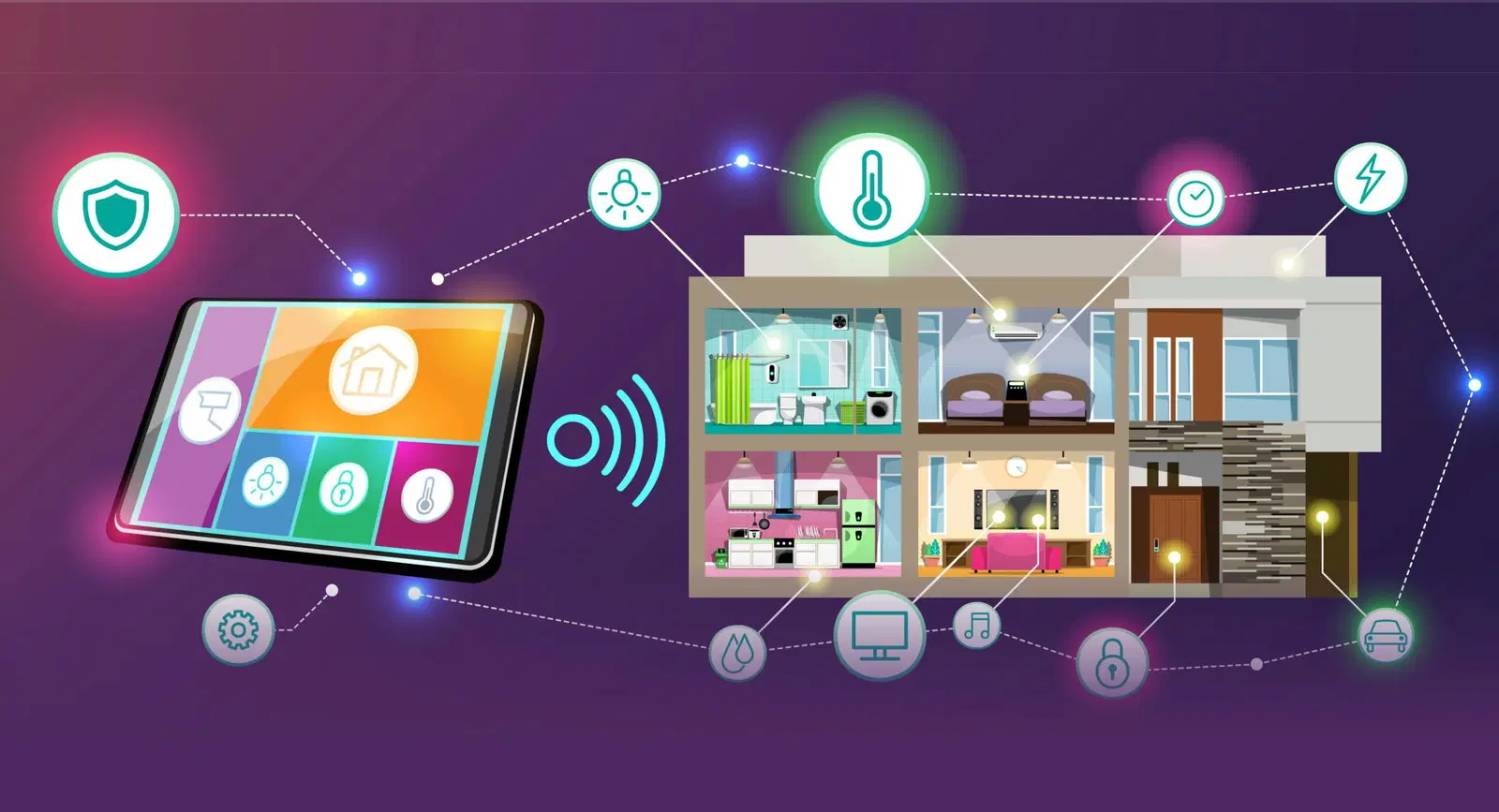
Smart beds can be integrated with other smart home devices, such as thermostats, lights, and speakers. This allows you to create a seamless and personalized sleep experience.
For example, you could program your smart bed to turn off the lights and adjust the temperature when you go to bed. You could also program your smart bed to wake you up with your favorite music or audiobook.
7. Snore Detection and Intervention
Some smart beds have snore detection and intervention features. The bed can detect snoring and then gently adjust your head position or provide other feedback to help you reduce snoring.
The bed may gently lift your head or tilt it to one side. This can help to open up your airways and reduce snoring.
8. Integrated massage functions
The smart bed may have built-in massage capabilities, with motors or air bladders integrated into the mattress or bed frame. This feature can provide soothing massages to help you unwind, relieve muscle tension, and promote better relaxation before bedtime.
9. Fall detection and safety monitoring
This feature is particularly useful for elderly users or those with mobility issues. The smart bed can detect if someone has fallen out of bed or is experiencing difficulty getting up. It can then send alerts or notifications to caregivers or emergency services, ensuring prompt assistance and preventing potential injuries.
10. Health Monitoring and Management
Some smart beds can monitor your heart rate, breathing, and other vital signs while you sleep. This data can be used to identify potential health problems and help you manage your overall health.
For example, if the smart bed detects that your heart rate is abnormally high or low, it can alert you or your doctor so that you can take appropriate action.
11. App Connectivity and Remote Control
Most smart beds have companion apps that allow you to control the bed’s features and view your sleep data. This makes it easy to make adjustments to the bed’s settings and track your progress over time.
You can use the app to adjust the bed’s temperature, firmness, and other features. You can also use the app to view your sleep data, such as how long you slept, how many times you woke up, and how much time you spent in each stage of sleep.
12. Audio Playback
Many smart beds have built-in speakers that allow you to play music, audiobooks, or other audio content while you sleep. This can help you relax and fall asleep more easily.
For example, you could play a playlist of calming music or a nature documentary before bed. You could also play an audiobook or podcast while you drift off to sleep.
Also Read
Smart Cooktops with AI: Cook Like a ProAdvancements and Innovations in Smart Bed/Mattress Technology
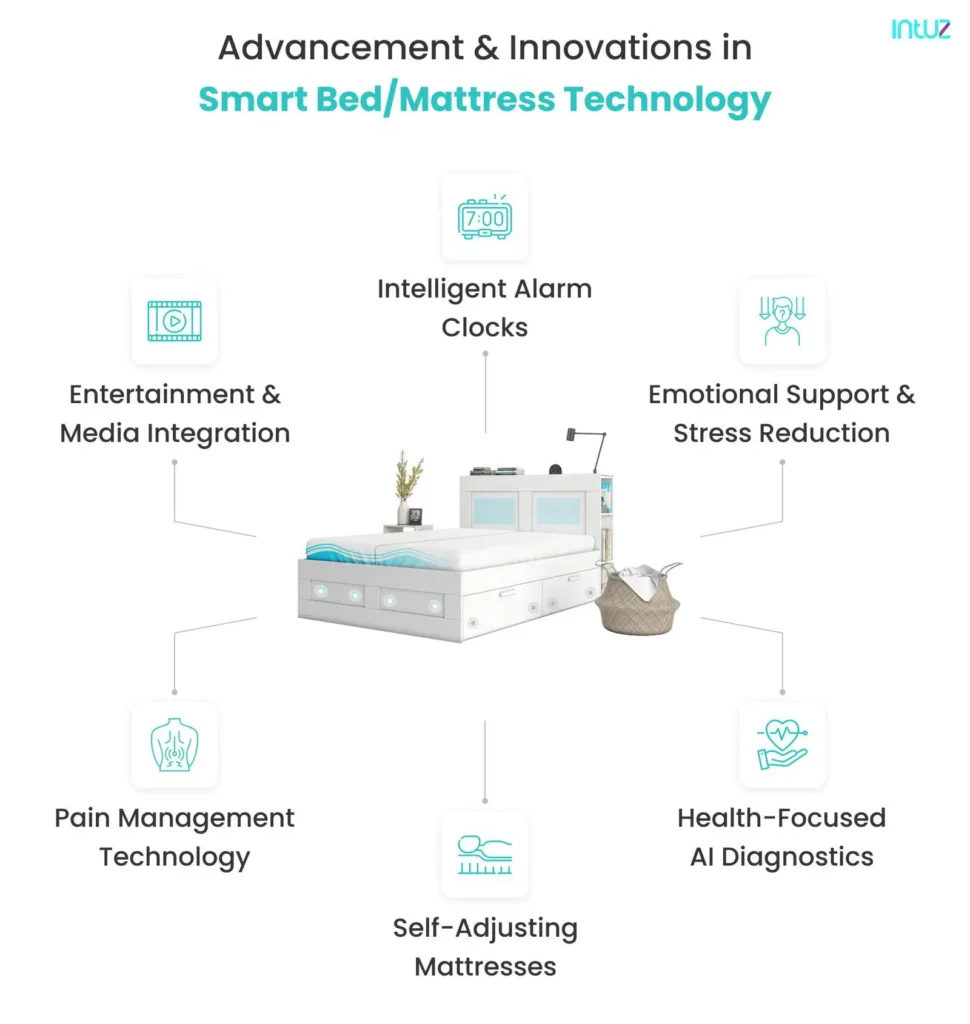
As technology develops, smart beds’ possibilities will only grow more incredible. Here are some potential upgrades that could make sleeping even better:
1. Intelligent Alarm Clocks
Future smart beds will include intelligent alarm clocks that analyze your sleep cycles. These alarms will gently wake you when you’re in a lighter sleep stage, making your mornings feel more natural and energized. This technology ensures you start your day with increased rejuvenation.
2. Entertainment Integration
Your consumers can think about relaxing on a comfortable bed and enjoying their favorite media. Modern smart beds have built-in screens or projectors for enjoying TV, games, or movies from the comfort of your bed.
3. Self-Adjusting Mattresses
Smart mattresses automatically adapt to your comfort preferences by monitoring your body’s posture, temperature, and other factors throughout the night, ensuring you get the best possible support and rest.
4. Health-Focused Features
Advanced smart beds excel at health tracking, identifying early indicators of health issues like changes in body temperature or heart rate variability, and providing tailored wellness guidance for better health management.
5. Emotional Support Capabilities
Smart beds create a serene atmosphere with features like aromatherapy diffusers, gentle lighting, and soothing vibrations, promoting relaxation and emotional well-being.
6. Pain Reduction
Smart beds offer specialized support systems to alleviate pain and discomfort. They adjust mattress firmness and conform according to your body, providing relief to individuals with musculoskeletal conditions or chronic pain.
Conclusion
Smart mattresses provide personalized sleep guidance and integrate with smart home technology for custom comfort and sleep analysis. Future smart beds will get even smarter with intelligent alarms, entertainment, health features, emotional support, and pain relief.
Are you a smart bed manufacturer or OEM looking to manufacture smart beds with IoT and AI technology?
Book a Free 45-minute Consultation with Intuz IoT Experts!
During this personalized consultation, our experts will:
- Uncover untapped opportunities for IoT integration in your bed manufacturing process
- Recommend the optimal IoT sensors, connectivity solutions, and data management strategies tailored to your business
- Provide a detailed roadmap for developing IoT-enabled smart multifunctional beds that exceed customer expectations
FAQs
What is a smart bed and how does it work?
A smart bed uses embedded sensors (pressure, temperature, motion) combined with AI algorithms and IoT connectivity to monitor sleep patterns, automatically adjust firmness and temperature, and provide personalized sleep insights through a companion app. The sensors collect data throughout the night, the AI analyzes patterns over time, and the bed physically adapts — adjusting mattress zones, activating heating or cooling, and even raising the head position to reduce snoring.
How much does an AI-powered smart bed cost?
Consumer AI smart beds range from $2,000 to $8,000 depending on features. Entry-level smart mattresses with basic sleep tracking start around $1,500-$2,500 (Eight Sleep, ReST). Premium smart beds with full AI health monitoring, climate control, and adjustable zones cost $4,000-$8,000+ (Sleep Number, Bryte). For businesses developing custom smart bed solutions with OEM-grade IoT integration, development costs start at $50,000-$150,000 for the embedded hardware and cloud platform.
Can a smart bed really improve sleep quality?
Yes — clinical and consumer data consistently shows measurable improvement. Sleep Number reports that users of their smart beds fall asleep 28% faster and get 15 more minutes of restful sleep per night. Eight Sleep claims users see a 32% improvement in sleep quality scores. The key is the feedback loop: the AI learns your sleep patterns over weeks and continuously optimizes temperature, firmness, and position settings that are impossible to manually adjust during sleep.
What IoT sensors are used in smart beds?
Typical smart beds use 4-6 sensor types: piezoelectric pressure sensors (detect body position and movement), thermistors (measure body and ambient temperature), accelerometers (track micro-movements and vibration for sleep stage detection), humidity sensors (monitor moisture levels for climate control), capacitive proximity sensors (detect presence/absence), and in advanced models, ballistocardiographic sensors (measure heart rate and respiration without contact). These connect via Bluetooth Low Energy (BLE) to a local hub, which communicates to the cloud via Wi-Fi.
How do I build a smart bed product with IoT and AI?
Building a smart bed product requires four layers: (1) Embedded hardware — selecting and integrating sensors into the mattress/frame, designing the PCB, and choosing a microcontroller (typically ARM Cortex-M series). (2) Firmware — writing the real-time sensor data collection and edge processing code. (3) Cloud platform — building the data pipeline, AI/ML models for sleep analysis, and OTA firmware update system. (4) Mobile app — creating the user-facing companion app with sleep dashboards and device controls. Most companies partner with an IoT development firm for layers 1-3 and handle the brand/retail side themselves.
Work with Intuz
Build Your Own AI-Powered Smart Bed
Talk to our IoT experts about your smart bed product idea
Let's Get Started
Share this article